
Your oral health is our priority, and sometimes the best way to protect your smile is to remove a tooth that’s causing harm or preventing proper development. At Gentle Breeze Family Dentistry in Santa Rosa Beach, we take a careful, measured approach to extractions—only recommending removal when preservation and conservative treatment are no longer viable. Our goal is to explain the reasons clearly and help you feel confident in the recommended plan.
Tooth removal can be straightforward or more involved depending on the situation. Before recommending extraction, we evaluate the overall impact on your bite, neighboring teeth, and long-term health. This process includes a review of your medical history, a focused oral exam, and the imaging needed to understand root anatomy and surrounding bone.
When possible, we prioritize treatments that maintain natural tooth structure. When extraction is necessary, we focus on minimizing discomfort, protecting adjacent teeth, and planning for an appropriate replacement if needed. This ensures the long-term stability and function of your smile.
Over-retained baby teeth that block normal development
Sometimes a primary tooth remains firmly in place after the permanent successor should have erupted. Roots that fail to resorb or a tooth that becomes fused to the jawbone can interfere with proper alignment and eruption. Removing an over-retained baby tooth at the right time helps guide normal development and avoids future orthodontic complications.
Extensive decay that makes a permanent tooth non-restorable
Decay begins on the enamel and, if left untreated, can progress deeper into the tooth until very little healthy structure remains. When a tooth is too compromised to support a restoration, extraction may be the safest option to eliminate infection risk and protect overall oral health.
Severe fractures or cracks that cannot be repaired
Teeth can sustain a range of damage from chips to vertical root fractures. When a fracture extends into the root or there isn’t enough remaining structure to predictably restore the tooth, removal may offer a more predictable outcome than repeated restorative attempts.
Advanced periodontal disease compromising support
When gum disease progresses, it destroys the tissues and bone that hold teeth in place. In advanced cases, teeth can become mobile and painful; extraction can be necessary to stop the spread of disease and to improve the health of surrounding tissues.
Impacted or problematic wisdom teeth
Third molars often lack room to erupt or can develop in positions that put adjacent teeth and tissues at risk. When wisdom teeth cause pain, decay, infection, or damage to neighboring teeth, removal is commonly recommended to prevent ongoing issues.
Extractions as part of orthodontic planning
In situations where the jaw cannot accommodate all permanent teeth comfortably, removing select teeth may be advised to create space for alignment and to achieve a balanced, functional bite as part of an orthodontic treatment plan.

Every extraction begins with a thorough assessment. We review your medical history and current medications because certain conditions or drugs influence healing and infection risk. If appropriate, we may request medical clearance or coordinate with your physician to make sure treatment proceeds safely.
Digital radiographs give us a clear view of root shape, nearby teeth, and the supporting bone. This imaging helps determine whether a tooth can be removed with a simple technique or whether a surgical approach will be necessary. We’ll explain the findings and the rationale for the recommended method so you understand what to expect.
Your comfort and safety guide our preparation. Local anesthetic is standard for numbing the area, and for patients with anxiety or complex procedures we offer sedation options. We’ll also provide preoperative instructions—such as medication guidance or whether to arrange transportation—so you arrive ready and well-informed.
Simple extractions are used when a tooth is fully visible in the mouth and roots are straightforward. After numbing the area, the tooth is gently loosened and removed with forceps. The technique aims to preserve surrounding bone and soft tissue, and recovery is typically quicker with predictable outcomes.
Surgical extractions are planned when teeth are broken below the gumline, ankylosed (fused to the bone), or impacted. These procedures involve a small incision to access the tooth, and sometimes minor removal of bone to allow safer extraction. For complex cases, we may work with or refer to an oral and maxillofacial surgeon to ensure optimal care.

Recovery is a gradual process, and following simple guidelines helps reduce discomfort and complications. Immediately after the procedure you’ll bite on gauze to support clot formation; keeping steady pressure for the recommended time helps stop bleeding and allows healing to begin. We’ll give you clear instructions about how long to maintain gauze pressure and when to change it.
Swelling and mild discomfort are normal in the first 48–72 hours. Applying an ice pack intermittently during the first day can reduce swelling. It’s best to avoid strenuous activity, smoking, and drinking through straws during the initial healing phase since these actions can dislodge the clot and delay recovery.
Oral hygiene remains important but should be gentle: brush careful areas without disturbing the surgical site, and after the first day, a warm saltwater rinse can help keep the area clean. Take prescribed antibiotics and pain medications exactly as directed, and contact our office if you notice signs of infection, prolonged bleeding, or unusual symptoms.
Maintain firm gauze pressure
Bite evenly on the gauze placed over the socket for the time we recommend. Replace the pad as directed and continue firm pressure if bleeding persists. Light oozing can continue for up to 24 hours, but persistent heavy bleeding warrants a call.
Protect numb tissues
Until the local anesthetic completely wears off, avoid chewing, and be careful not to bite your lips, cheeks, or tongue.
Follow medication instructions
If antibiotics are prescribed, finish the entire course. For pain, use over-the-counter or prescription medication as directed to remain comfortable and to support restful healing.
Avoid disturbing the clot
Don’t rinse forcefully, spit, or use straws for the first day or two. These actions can dislodge the clot and lead to a painful condition called dry socket.
Manage swelling with ice
Use an ice pack on the outside of your cheek in short intervals (about 10 minutes on, 10 minutes off) during the first 24 hours to minimize swelling.
Don’t smoke
Avoid tobacco for at least a week. Smoking impairs clot stability and delays healing.
Stick to soft foods initially
Choose cool or room-temperature soft foods and liquids during the first few days. Avoid hot, spicy, or carbonated beverages until healing progresses.
Resume gentle oral care
Brush nearby teeth carefully and, when instructed, rinse gently with warm saltwater to keep the area clean without disrupting the socket.
Attend follow-up appointments
If sutures were placed or your case requires monitoring, keep your scheduled follow-up so we can confirm healing and address any concerns.
If you experience persistent bleeding, increasing pain, fever, or a bad taste in your mouth, contact our office for prompt evaluation.
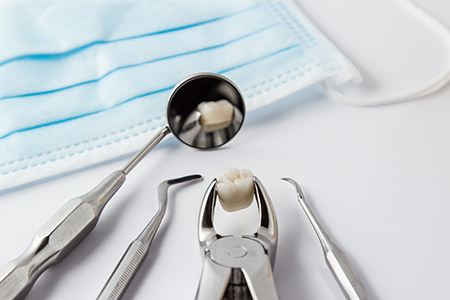
Removing a tooth is often the first step in a broader plan to restore function and aesthetics. When replacement is appropriate, options include removable prosthetics, fixed bridges, and dental implants. Each choice has advantages depending on the location of the tooth, bone health, and your personal goals.
Dental implants are an advanced solution that can closely mimic the form and function of a natural tooth by replacing both the root and the crown. Bridges and dentures remain excellent restorative choices in many situations and may be more appropriate based on anatomy or health considerations. We’ll discuss timing—whether an immediate temporary restoration or a delayed approach after healing is best—and build a plan that fits your needs.
Our team takes a comprehensive view: preserving bone and soft tissue when possible, and coordinating care so that the eventual restoration supports oral health for years to come. We’ll review options, risks, and expected timelines so you can make an informed decision about replacing any missing teeth.
Our practice combines careful clinical assessment with a focus on patient comfort and clear communication. We use modern diagnostic tools and discuss sedation and pain-control options when appropriate, so procedures are predictable and as comfortable as possible. You can expect straightforward explanations, personalized recommendations, and coordinated follow-up care.
Whether the extraction is a simple outpatient procedure or part of a larger restorative plan, our priority is safe treatment and a smooth recovery. We work with you to preserve oral health, restore function, and support a confident smile in the months and years after treatment.
To learn more about what to expect or to discuss whether an extraction is right for you, please contact us for additional information and guidance.
Extraction may be recommended when a tooth is too damaged to be predictably restored or when it threatens surrounding tissues. Common reasons include extensive decay, severe fractures, advanced periodontal disease, problematic wisdom teeth, and over-retained primary teeth that block normal development. Your dentist evaluates each situation carefully to determine whether preservation is possible before advising removal.
Decisions about extraction are based on a review of your medical history, a focused oral exam, and diagnostic imaging that reveals root anatomy and bone support. When removal is needed, the team will explain the rationale and outline replacement options so that long-term function and health are preserved. The goal is to treat the underlying problem while minimizing impact on your bite and neighboring teeth.
The choice between a simple and a surgical extraction depends on the tooth's position, root shape, and whether the crown is visible above the gum line. A simple extraction is used for fully erupted teeth with straightforward roots and is performed with forceps after local anesthesia. A surgical extraction involves a small incision, possible removal of limited bone, or sectioning the tooth when the crown or roots are not accessible.
Digital radiographs and clinical findings guide the decision-making process and help predict potential challenges. If a case is complex—such as an ankylosed tooth or deeply impacted wisdom tooth—we may recommend referral to or collaboration with an oral and maxillofacial surgeon. Throughout evaluation and treatment planning, the clinician will describe the chosen approach and the reasons it is the safest option.
Before the procedure, the clinician will review your medical history, current medications, and any concerns you have so care proceeds safely and comfortably. Local anesthesia is used to numb the area, and for patients with anxiety or more complex procedures, sedation options can be discussed to improve comfort. Once numb, the tooth is loosened and removed using techniques chosen to preserve surrounding bone and soft tissue.
After extraction, we may place gauze to control bleeding and sometimes sutures to support healing, and you will receive clear postoperative instructions. The staff will review what to expect in the hours and days following treatment and advise when to schedule a follow-up if needed. If your case includes a planned restoration, the team will outline the timing and next steps for replacing the missing tooth.
Preparation begins with a thorough review of your health history and a discussion about medications that could affect bleeding or healing. If you are considering sedation, you may be asked to arrange transportation and follow fasting instructions; otherwise, arrive wearing comfortable clothing and with a list of current medicines. Let the office know about any recent illnesses, changes in medications, or conditions that might require medical clearance.
Follow any preoperative guidance the team provides, such as holding certain blood thinners only when directed by your physician or avoiding smoking before the appointment. Make plans for a short period of rest after the procedure, and have soft foods available for the first day or two. Clear communication with your dental team helps the appointment proceed smoothly and reduces the risk of complications.
Initial healing begins with formation of a blood clot in the extraction socket, which protects the underlying bone and supports tissue repair. You can expect some bleeding and mild swelling during the first 24 to 72 hours, with discomfort that typically eases each day as inflammation subsides. Following the provided postoperative instructions—such as maintaining gauze pressure and avoiding actions that disturb the clot—supports predictable healing.
Oral hygiene should continue carefully around the surgical site, and gentle rinsing with warm saltwater after the first day helps keep the area clean. Most patients return to normal activities within a few days, though complete soft-tissue healing may take several weeks. Keep scheduled follow-up visits so the clinician can confirm recovery and address any concerns promptly.
To reduce swelling, apply an ice pack to the outside of the cheek intermittently—about 10 minutes on and 10 minutes off—during the first 24 hours. Rest and elevation of your head can also help minimize swelling and discomfort during the initial recovery period. Take prescribed or recommended over-the-counter pain medication as directed to maintain comfort and allow restful healing.
After the first day, gentle warm saltwater rinses can promote cleanliness and soothe tissues without disturbing the clot. Avoid smoking, using straws, and vigorous rinsing for several days, as these actions can dislodge the clot and increase the risk of dry socket. If pain or swelling worsens after the first few days, contact the office for evaluation.
While complications are uncommon, it is important to watch for signs that may require prompt attention, such as persistent heavy bleeding, increasing pain after 48–72 hours, fever, or a foul taste or odor in the mouth. Numbness that persists longer than expected or swelling that continues to worsen should also be reported. These symptoms can indicate issues such as infection, a dry socket, or, rarely, nerve involvement.
If you notice any of these signs, call the office so the team can assess your symptoms and provide appropriate care or instructions. Early evaluation helps prevent progression and supports faster recovery, and the clinician will advise whether an in-office visit or additional treatment is necessary. Keep emergency contact procedures in mind if a serious problem develops outside normal hours.
Extractions are sometimes part of an orthodontic plan when there is insufficient space for all permanent teeth or when removing a tooth will improve bite alignment. Timing and selection of which tooth to remove are important and are coordinated with your orthodontist to support predictable movement of the remaining teeth. In growing patients, removing over-retained primary teeth can help guide normal eruption of permanent teeth and prevent future complications.
When extractions are part of a broader treatment plan, the dental team considers how removal will affect function, aesthetics, and long-term stability. In many cases, space maintenance, targeted restorations, or restorative planning are used to preserve bone and support proper alignment. Clear communication between general dentists, orthodontists, and specialists helps achieve the best outcomes.
Replacement choices include removable prosthetics, fixed bridges, and dental implants, and the best option depends on the tooth's position, bone health, and your overall goals. Dental implants can replace both the root and crown, preserving bone and providing long-term stability, while bridges and partial dentures remain appropriate solutions in many situations. The clinician will discuss the timing of replacement—whether an immediate temporary solution or a delayed approach after healing is more suitable.
When appropriate, bone grafting or soft-tissue preservation techniques may be recommended at the time of extraction to support future restorations. Your treatment plan will describe the expected timeline, necessary preparatory procedures, and how each option supports function and oral health. Decisions are made collaboratively to align restorative choices with your preferences and clinical needs.
At Gentle Breeze Family Dentistry in Santa Rosa Beach, Dr. Tanya Orr and our team take a conservative, patient-centered approach that emphasizes preserving natural tooth structure whenever possible. We use modern diagnostic tools such as digital radiographs and intraoral imaging to plan extractions precisely and to select the safest, most comfortable method for each patient. Comfort measures and clear preoperative and postoperative instructions are part of our commitment to predictable outcomes.
When extractions are necessary, we coordinate care with specialists as needed and develop a comprehensive plan for replacement and long-term oral health. Our focus on communication, safety, and individualized treatment helps patients feel informed and supported throughout the process. If you have questions about whether extraction is the right step for you, our team is available to explain options and next steps.

Existing Patients:
New Patients:
