Existing Patients:

(850) 267-3313

New Patients:

(850) 203-9210

CEREC

Gentle Breeze Family Dentistry | Teeth Whitening, Fluoride Treatment and Extractions

Advanced chairside CAD/CAM technology that delivers precise, natural-looking ceramic restorations in a single appointment.

Same-Day Restorations: Faster treatment without compromise

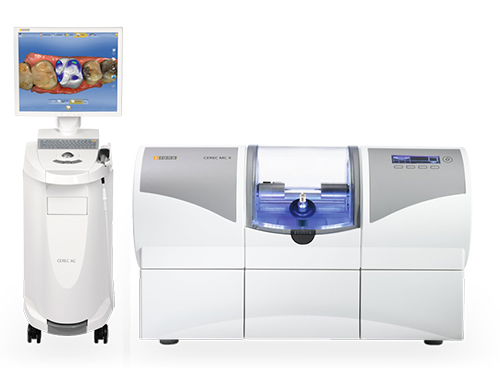
CEREC® changes the typical timeline for restorations by combining digital scanning, design, and milling into one coordinated process. Rather than scheduling multiple visits and relying on temporary crowns, this approach lets clinicians complete a ceramic inlay, onlay, or crown while you wait. The result is a streamlined appointment that respects your time without sacrificing precision.

Because the entire workflow happens chairside, adjustments that traditionally require additional appointments can be made immediately. That means a better fit on the first try and fewer disruptions to your daily life. Patients often appreciate how this modern option reduces the number of visits and the uncertainty that comes with lab turnaround times.

At Gentle Breeze Family Dentistry, we use CEREC to blend clinical efficiency with aesthetic outcomes. The clinical team’s goal is to deliver restorations that restore function and mimic natural tooth anatomy, all within the same visit to the Santa Rosa Beach office.

Gentle Breeze Family Dentistry | Retainers, Veneers and Night Guards

Complete restorations in one appointment: what to expect

When you arrive for a CEREC restoration, the process begins with a careful exam and a digital scan of the prepared tooth. Rather than taking traditional putty impressions, the dentist captures a high-resolution 3D image with an intraoral scanner. This digital record is more comfortable for patients and gives the clinician immediate, manipulable data to design the restoration.

Once the scan is captured, design software creates a virtual model of the restoration. The dentist reviews form, contacts, and occlusion on-screen and refines the design to match your bite and the surrounding teeth. That level of control makes it easier to reproduce natural contours and ensure that the restoration supports long-term oral health.

After design approval, the file is sent to a chairside milling unit that carves the restoration from a high-strength ceramic block. The milled piece is finished with staining and glazing as needed, then polished and bonded into place. From start to finish, the team manages every step to deliver a restoration that both looks and functions like a natural tooth.

Gentle Breeze Family Dentistry | Crown Lengthening, Laser Dentistry and Dentures

From scan to crown: the technology behind CEREC

CEREC relies on CAD/CAM — computer-aided design and computer-aided manufacturing — to translate a clinician’s plan into a precise ceramic restoration. The intraoral scanner collects thousands of data points to build an accurate 3D model. That digital model is then refined using specialized software so the restoration fits the prepared tooth and integrates with neighboring teeth.

The milling phase uses blocks of clinically proven ceramic that offer excellent wear resistance and lifelike translucency. Because the milling unit operates chairside, the material selection and finishing are tailored to the individual case in real time. This combination of digital detail and ceramic material science produces restorations that are both strong and esthetically pleasing.

Digital workflows also create a robust archive: scanned data can be stored for future reference, facilitating repairs or replacements if needed. The precision of the digital impression often reduces the need for additional adjustments and helps maintain predictable outcomes across a range of restorative scenarios.

Gentle Breeze Family Dentistry | Dental Bridges, Preventative Program and Veneers

Materials and longevity: what modern ceramics deliver

CEREC restorations are milled from high-quality ceramic materials chosen for their strength, color stability, and biocompatibility. These ceramics can be shaded and glazed to match surrounding teeth, creating a restoration that looks natural under different lighting conditions. For many patients, the result is a restoration that is difficult to distinguish from tooth structure.

Durability depends on case selection and proper technique: when bonded correctly and placed with attention to occlusion, ceramic restorations perform well over time. The use of adhesive bonding helps distribute forces and minimize microleakage, contributing to the restoration’s longevity while preserving as much natural tooth as possible.

Because CEREC allows for conservative preparation and precise fits, it supports a restorative philosophy that prioritizes tooth preservation. When combined with routine maintenance and good oral hygiene, these restorations can remain a reliable part of your smile for many years.

Comfort, communication, and predictable results

Patient comfort is central to the CEREC experience. Digital scanning eliminates the discomfort that some patients feel with traditional impression materials, and the shorter overall appointment time reduces the physical and emotional burden of treatment. At every step, the clinician can show you the digital design and explain adjustments, which helps build understanding and confidence in the proposed restoration.

Because the design is visible on-screen, you and your dentist can discuss shape, contact points, and color before the restoration is milled. This collaborative approach leads to outcomes that meet both functional needs and esthetic expectations. Real-time visualization also helps clinicians catch potential occlusal or fit issues early, minimizing the need for later corrections.

Finally, the predictable workflow reduces the variables that can impact success: precise scans, controlled milling, and careful bonding create a reproducible process that favors consistent, high-quality results. Whether replacing a failing filling or restoring a cracked tooth, CEREC provides a reliable pathway to a finished restoration within a single visit.

In summary, CEREC represents a modern, patient-friendly approach to restorative dentistry that prioritizes accuracy, efficiency, and esthetics. By combining digital scanning, advanced design software, and chairside milling, clinicians can deliver ceramic restorations that restore function and preserve natural tooth structure—often in a single appointment. If you’d like to learn more about how this technology may apply to your care, please contact Gentle Breeze Family Dentistry for additional information.

Frequently Asked Questions

What is CEREC and how does it work?

+

CEREC is a chairside CAD/CAM system that combines digital scanning, computer-aided design and on-site milling to create ceramic restorations in a single appointment. The process begins with an intraoral scan that captures a high-resolution 3D image of the prepared tooth and surrounding anatomy. Specialized software is then used to design the restoration on-screen so the dentist can refine contours, contacts and occlusion before fabrication.

Once the design is approved, a chairside milling unit carves the restoration from a solid ceramic block and the piece is finished with staining, glazing and polishing as needed. The restoration is bonded into place during the same visit and digital records are archived for future reference or replication. This integrated workflow reduces the need for temporary restorations and additional laboratory turnaround while maintaining a precise, documented process.

What types of restorations can be made with CEREC?

+

CEREC is commonly used to fabricate single-unit restorations such as ceramic crowns, inlays and onlays, and certain veneers depending on case requirements. The system is particularly effective for restorations where a conservative preparation and a tight, adhesive bond are indicated. In select situations clinicians may also use CAD/CAM to produce small bridges or implant crowns when case anatomy and occlusion allow.

Case selection is important because very large restorations, complex multi-unit prosthetics or situations that require specialized lab procedures may still be better served by a dental laboratory. Your dentist will evaluate the scope of the restoration, occlusal forces and long-term planning needs to determine whether a chairside CEREC restoration is the most appropriate option. When indicated, CEREC provides a streamlined solution for many common restorative scenarios.

How long does a CEREC appointment take and what should I expect?

+

Most single-unit CEREC restorations are completed in a single appointment that commonly ranges from about one to two hours, depending on the complexity of the case and whether any additional treatment is required. The visit typically includes local anesthesia if needed, tooth preparation, a digital scan, on-screen design time and the milling and finishing of the ceramic piece. Because the workflow is performed chairside, the clinician and team manage each step directly, which reduces coordination time with external labs.

After the restoration is milled and finished, it is tried in, adjusted for occlusion and polished or glazed before final bonding. The team will review post-operative care and any short-term sensitivity to expect as the bonded restoration integrates with the tooth. If you have dental anxiety, the office can discuss sedation options to help you remain comfortable during the procedure.

What are the advantages of same-day CEREC restorations?

+

Same-day CEREC restorations reduce the number of appointments by eliminating the need for temporary crowns and laboratory turnaround, which can streamline scheduling and minimize interim sensitivity or complications. The digital workflow also improves comfort by replacing traditional putty impressions with an intraoral scan and provides immediate visual feedback so clinicians and patients can review the proposed restoration together. Because the design is refined on-screen, fit and occlusion can be evaluated and adjusted prior to fabrication, increasing the likelihood of a precise first fit.

Chairside milling allows material selection and finishing to be tailored to the individual case in real time, producing restorations that combine strength with esthetic shading and translucency. The digital archive of scans and design files simplifies future repairs or replacement if needed. Overall, the process supports conservative tooth preparation and a predictable, documented restorative outcome.

Are CEREC restorations as durable as traditional lab-made restorations?

+

CEREC restorations are milled from high-strength ceramic blocks that exhibit good wear resistance and color stability; when bonded correctly and placed in appropriate clinical situations, they can offer durability comparable to many laboratory-fabricated ceramics. Longevity depends on multiple factors including material selection, adhesive technique, occlusal management and the amount of remaining tooth structure. Proper case selection and meticulous bonding protocols are critical to long-term success.

Factors that influence durability include bruxism, bracing forces, oral hygiene and regular dental maintenance. Routine examinations help the clinician identify early signs of wear or margin concerns so they can be addressed before more significant damage occurs. When repairs or replacement are required, the stored digital records often simplify reproduction of the original restoration.

What materials are used for CEREC restorations and how do they look?

+

CEREC restorations are typically milled from high-quality ceramic blocks such as lithium disilicate or other monolithic ceramics selected for strength, translucency and biocompatibility. These materials can be shaded, stained and glazed to closely match the surrounding dentition, producing lifelike contours and surface characteristics under different lighting conditions. The chairside finishing process allows clinicians to refine color and texture to achieve a natural appearance.

Material selection is based on functional demands and esthetic goals; stronger ceramics are often chosen for posterior teeth that require more resistance to chewing forces, while more translucent options may be used anteriorly for superior esthetics. The resulting restoration integrates both mechanical performance and visual harmony when placed with attention to occlusion and proximal contacts.

Who is a good candidate for a CEREC restoration?

+

Good candidates for CEREC restorations include patients who need single-unit crowns, inlays or onlays and who prefer fewer appointments or faster turnaround without compromising quality. Patients should have sufficient remaining tooth structure for an adhesive restoration and be free of uncontrolled risk factors such as severe bruxism or advanced periodontal disease. The clinician will evaluate oral health, bite relationships and restorative needs during an exam to confirm suitability.

An in-person consultation and digital imaging allow the clinician to assess whether chairside CAD/CAM is appropriate or if a laboratory approach is advisable for more complex cases. If needed, the team will discuss treatment sequencing, conservative preparation techniques and options to manage anxiety including available sedation. Dr. Tanya Orr or another clinician will review the case and recommend the best restorative pathway based on clinical findings.

What are the limitations or risks associated with CEREC restorations?

+

While CEREC offers many benefits, limitations exist including cases where extremely large restorations, complex occlusal schemes or certain multi-unit prostheses may be better suited to laboratory fabrication. Technique sensitivity in preparation and bonding can affect marginal fit and long-term performance, so meticulous clinical execution is essential. Additionally, high occlusal forces or parafunctional habits may increase the risk of fracture regardless of fabrication method.

Another practical consideration is that certain esthetic or material requirements may necessitate specialized laboratory techniques that a chairside workflow cannot reproduce. Your dentist will discuss the potential risks and limitations during treatment planning and recommend the most predictable solution for your specific clinical needs. When a lab-based approach is preferred, digital and conventional records are used to ensure continuity of care.

How should I care for my CEREC restoration after placement?

+

Care for a CEREC restoration follows the same basic principles as caring for natural teeth: maintain good oral hygiene with regular brushing and flossing, attend routine dental checkups and have professional cleanings as recommended. Avoid biting directly on very hard objects or foods that could place excessive stress on the restoration, and discuss the need for a protective night guard if you have bruxism or heavy occlusal forces. Promptly report any sensitivity, roughness or perceived changes in fit so the clinician can evaluate and adjust if necessary.

Regular examinations allow the dentist to monitor margins, contacts and occlusion and to address minor issues before they progress. If a restoration is damaged or requires replacement, the archived digital scan and design file can streamline the reproduction process. With proper oral hygiene and periodic professional care, ceramic CEREC restorations can remain a functional part of your dentition for many years.

How does Gentle Breeze Family Dentistry use CEREC technology in Santa Rosa Beach?

+

The practice integrates chairside CAD/CAM technology to provide precise, metal-free ceramic restorations during a single visit to the Santa Rosa Beach office when clinically appropriate. Using an intraoral scanner, on-screen design software and an on-site milling unit, the team manages the workflow from digital impression through finishing and bonding, maintaining control over fit, occlusion and esthetics. Digital records are archived to support future maintenance, repairs or replacement if needed.

Gentle Breeze Family Dentistry emphasizes conservative preparation and patient communication, showing design options on-screen and involving patients in shade and form decisions when possible. The clinical team coordinates treatment planning to determine when a same-day CEREC restoration is the most predictable choice and will recommend alternative lab-based solutions when case complexity indicates a different approach.

Existing Patients:

New Patients:

6880 W. County Hwy 30A
Santa Rosa Beach, FL 32459